

The psychological effects of gambling navigating the mind’s complexities
The allure of gambling and its psychological grip
Gambling captivates many individuals due to its enticing blend of excitement and the potential for financial gain. The thrill of wagering stimulates the brain’s reward system, releasing dopamine and creating feelings of pleasure. This combination of risk and reward can lead to a compulsive desire to gamble, as the brain begins to associate the activity with positive emotions, overshadowing any rational concerns about the consequences. In this context, many people explore options like casino real money games, often unaware of the potential psychological effects involved.
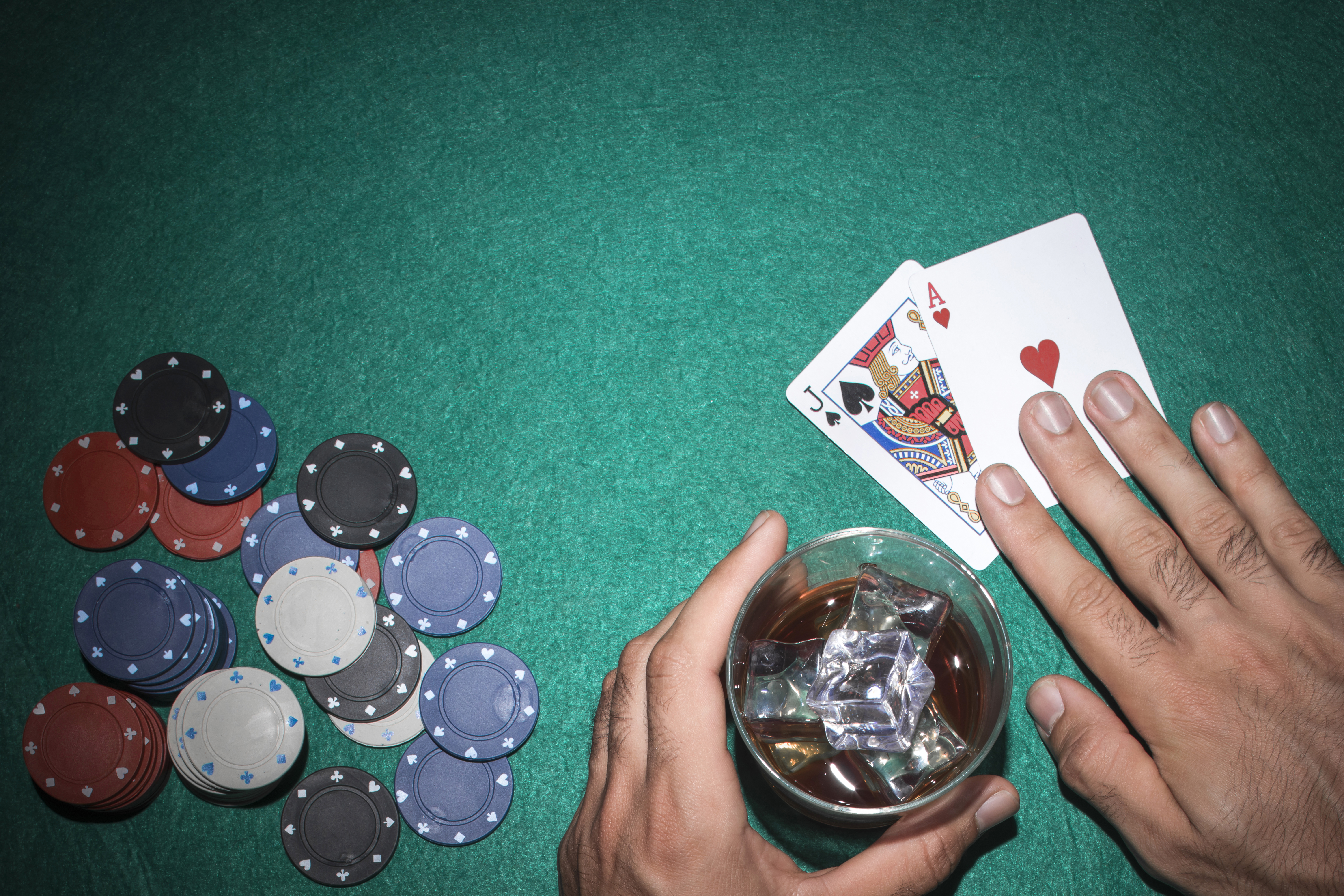
As individuals engage in gambling, their cognitive processes can become distorted. The illusion of control often takes hold, causing gamblers to believe they can influence outcomes through skill or strategy. This skewed perception can lead to increased gambling behavior, as individuals chase losses and continue to invest time and money into a cycle that can be difficult to escape.
The impact of gambling on mental health
The psychological effects of gambling can manifest in various mental health issues, including anxiety, depression, and stress. Individuals may experience heightened anxiety as they gamble, worrying about their financial situation or the prospect of losing. This anxiety can create a vicious cycle, where the need to gamble intensifies as a form of escape from these overwhelming feelings.
Moreover, the social stigma surrounding gambling addiction often exacerbates mental health challenges. Many individuals suffering from gambling issues may isolate themselves due to shame or embarrassment, which can further deteriorate their mental well-being. This isolation can limit access to support systems, making recovery more difficult.
Addiction and its consequences
Gambling addiction is a serious condition that can lead to devastating consequences, not just for the individual but also for their loved ones. It can result in financial ruin, strained relationships, and loss of employment. The compulsion to gamble can overshadow all aspects of life, leading to neglected responsibilities and deteriorating personal connections.
The journey toward recovery from gambling addiction is often fraught with challenges. Individuals may struggle with withdrawal symptoms and the urge to return to gambling as a coping mechanism. Understanding the depth of this addiction is essential in providing appropriate support, whether through therapy, support groups, or rehabilitation programs.
Navigating recovery: Strategies and support
Recovery from gambling addiction requires a multifaceted approach, including psychological intervention and community support. Cognitive-behavioral therapy (CBT) has proven effective in addressing the distorted thinking patterns associated with gambling. This therapeutic method helps individuals identify triggers, develop coping strategies, and reframe their thoughts related to gambling.
Support networks, such as Gamblers Anonymous, provide a crucial community for individuals seeking recovery. Sharing experiences and learning from others who have faced similar struggles can foster hope and resilience. Building a strong support system can significantly enhance the chances of overcoming addiction and rebuilding one’s life.
This website’s commitment to understanding gambling issues
This website aims to offer valuable insights and resources for those affected by gambling and its psychological effects. By providing information on addiction and recovery, we hope to facilitate a deeper understanding of this complex issue. Our goal is to empower individuals with the knowledge and tools they need to navigate their experiences with gambling.
We recognize the importance of a supportive environment for recovery and mental health. Through our content, we strive to foster awareness and encourage open discussions about gambling addiction, ultimately aiding those in need of guidance and support.